
Introduction
What is ABA Therapy? Parents always want the best opportunities for their children to learn, grow, and succeed. However, some children may face developmental challenges that make communication, learning, and social interaction more difficult. In such situations, evidence-based therapies can make a significant difference in helping children develop important life skills.
One of the most widely recommended and research-supported approaches is Applied Behavior Analysis (ABA). If you have ever wondered what ABA therapy is and how it can help children with developmental challenges, this guide will provide a clear and helpful explanation.
ABA therapy is commonly used to support children with Autism Spectrum Disorder (ASD) and other developmental conditions. It focuses on understanding how behavior works and using structured teaching methods to encourage positive behaviors while reducing those that may interfere with learning.
At Georgetown Abu Dhabi, our experienced therapists provide individualized therapy programs designed to help children build essential skills such as communication, social interaction, and independence. These therapy programs are tailored to meet each child’s unique strengths and developmental needs.
Parents who want to learn more about professional therapy services can explore our specialized ABA therapy programs for children here:
👉 Aba Therapy in Abu Dhabi
What is ABA Therapy?
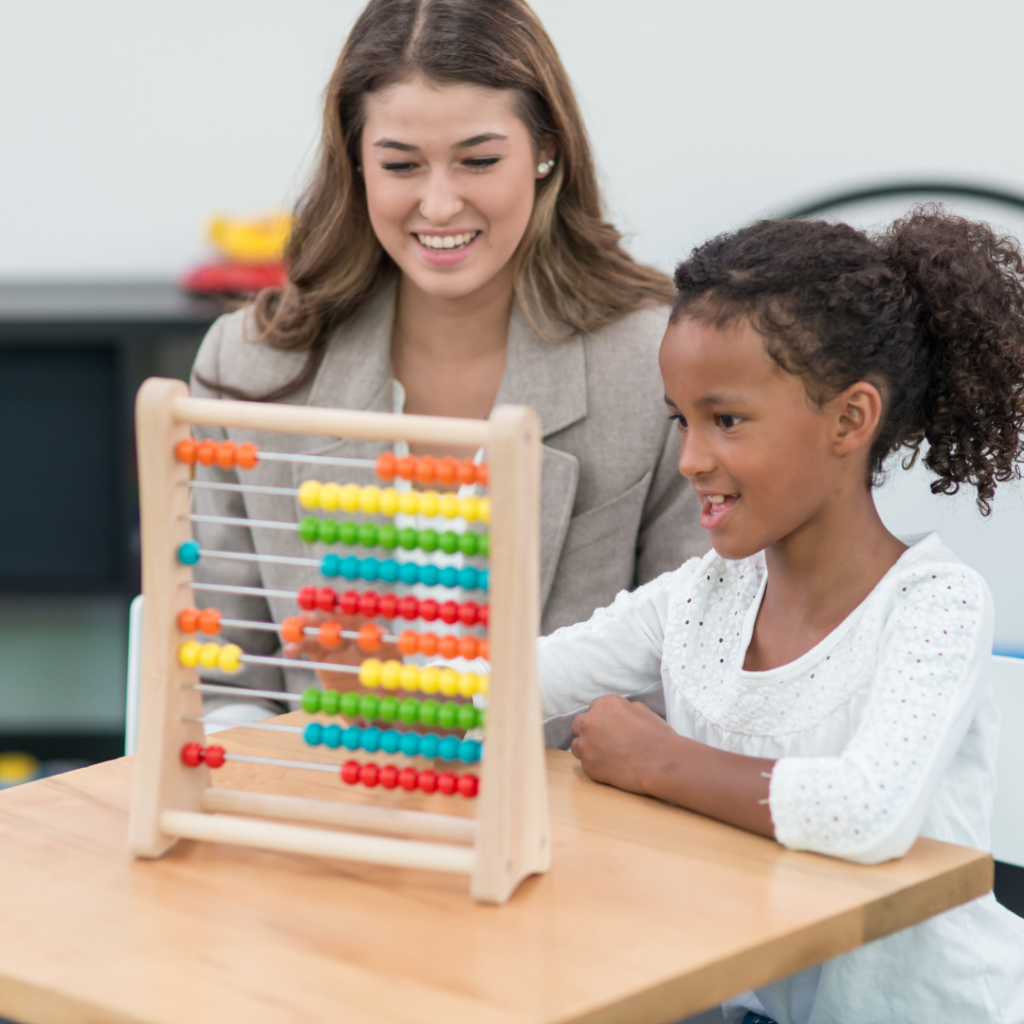
Applied Behavior Analysis (ABA) is a scientifically proven therapy approach that focuses on understanding how behavior is learned and how it can be improved through positive reinforcement and structured teaching techniques.
ABA therapy works by breaking down complex skills into smaller, manageable steps that children can learn gradually. Therapists observe a child’s behavior, identify triggers, and apply specific strategies to encourage positive responses and skill development.
Some of the key goals of ABA therapy include:
- Improving communication and language skills
- Strengthening social interaction abilities
- Increasing attention and learning skills
- Teaching daily living and self-care skills
- Reducing challenging or disruptive behaviors
Because ABA therapy is highly structured and data-driven, therapists continuously monitor a child’s progress and adjust strategies to ensure the best possible outcomes.
According to the Association for Behavior Analysis International, ABA therapy is based on decades of scientific research and has been shown to significantly improve learning and behavioral outcomes for many children with autism.
This evidence-based approach makes ABA therapy one of the most trusted and widely recommended therapies for children who need additional developmental support.
Who Can Benefit from ABA Therapy?
Although ABA therapy is most commonly associated with autism treatment, it can benefit many children who experience developmental or behavioral challenges.
Children who may benefit from ABA therapy often experience:
- Delays in speech or communication
- Difficulty with social interaction
- Repetitive behaviors
- Challenges with attention and focus
- Difficulty following instructions
- Behavioral challenges at home or school
Through structured sessions and personalized therapy plans, children gradually develop important skills that help them become more confident and independent in their daily lives.
At Georgetown Abu Dhabi, our therapists work closely with families to ensure that therapy strategies are consistent both during sessions and at home. Parent involvement plays a crucial role in reinforcing positive behaviors and supporting long-term progress.
Why ABA Therapy is Important for Children with Autism
When parents first learn what ABA therapy is, they often wonder why it is considered one of the most effective interventions for children with autism. The reason lies in its structured and evidence-based approach to teaching essential life skills.
Children with Autism Spectrum Disorder (ASD) may face challenges in areas such as communication, social interaction, emotional regulation, and daily routines. ABA therapy helps address these challenges by breaking down complex behaviors into manageable steps and reinforcing positive actions through consistent practice.
One of the most important benefits of ABA therapy is that it focuses on practical skills that help children function more independently in their everyday environments, including home, school, and social settings.
Developing Communication Skills
Many children with autism experience difficulties expressing their needs, understanding language, or maintaining conversations. ABA therapy helps improve communication by teaching children how to use words, gestures, or alternative communication methods to express themselves more effectively.
Through structured learning activities and positive reinforcement, therapists gradually help children:
- Improve verbal and non-verbal communication
- Ask for help or express needs appropriately
- Follow instructions more effectively
- Participate in conversations and interactions
Improved communication skills often lead to greater confidence and better relationships with family members, teachers, and peers.
Improving Social Interaction
Another key focus of ABA therapy for autism is helping children develop social skills that allow them to interact more comfortably with others.
Children learn important abilities such as:
- Making eye contact
- Taking turns during activities
- Sharing toys or materials
- Understanding social cues and emotions
These skills are essential for building friendships and participating successfully in school environments.
Reducing Challenging Behaviors
Some children with developmental challenges may display behaviors such as tantrums, aggression, or repetitive actions. In many cases, these behaviors occur because the child is struggling to communicate their needs or cope with sensory or emotional difficulties.
ABA therapists carefully analyze the reasons behind these behaviors and use targeted strategies to replace them with more appropriate and positive behaviors.
Over time, children learn healthier ways to respond to situations, improving both their learning experiences and their interactions with others.
Our ABA Therapy Approach at Georgetown Abu Dhabi
At Georgetown Abu Dhabi, our therapy programs are designed to provide individualized and evidence-based support for every child. Our goal is not only to teach new skills but also to help children apply these skills in real-life situations.
Parents who want to understand what ABA therapy is in a practical setting often find that personalized therapy plans and consistent monitoring play a major role in a child’s progress.
Families interested in professional therapy programs can explore our specialized services here:
👉 Aba Therapy Services at Georgetown Abu Dhabi
Comprehensive Assessment
Every child is unique, which is why the ABA therapy process begins with a detailed and comprehensive assessment.
During this stage, our therapists evaluate:
- Communication abilities
- Social interaction skills
- Behavioral patterns
- Cognitive and learning abilities
- Daily living skills
This assessment helps our clinical team gain a clear understanding of the child’s strengths and challenges. The information gathered allows us to create a therapy program that is specifically tailored to support the child’s developmental goals.
Individualized Intervention Plans
Once the assessment is complete, our therapists design an individualized intervention plan that outlines specific therapy goals and strategies.
These plans often include a variety of evidence-based ABA techniques, such as:
- Positive reinforcement
- Prompting and shaping
- Social skills training
- Functional communication training
- Task analysis and skill building
Therapists continuously monitor the child’s progress and adjust therapy strategies as needed. This data-driven approach ensures that every therapy session contributes to measurable progress and long-term skill development.
Benefits of ABA Therapy for Children
After understanding what ABA therapy is, many parents want to know how it can positively impact their child’s development. ABA therapy focuses on teaching meaningful and practical skills that help children become more independent and confident in their everyday lives.
Some of the most important benefits of ABA therapy include:
Improved Communication Skills
One of the primary goals of ABA therapy is helping children communicate more effectively. Therapists work on developing both verbal and non-verbal communication skills so children can express their needs, feelings, and ideas more clearly.
Improved communication often leads to better relationships with parents, teachers, and peers.
Better Social Interaction
Social skills are essential for children to successfully participate in school and community activities. ABA therapy helps children learn how to interact with others, understand social cues, and build positive relationships.
Through guided practice and reinforcement, children gradually become more comfortable engaging with others.
Increased Independence
ABA therapy also focuses on teaching everyday life skills that promote independence. These may include:
- Following routines
- Completing simple tasks independently
- Improving focus and attention
- Developing problem-solving abilities
These skills help children gain confidence and function more effectively in daily environments.
Positive Behavior Development
By understanding the causes behind certain behaviors, ABA therapy helps children replace challenging behaviors with more appropriate responses. This creates a more positive learning environment for the child and reduces stress for families.
Why Parents Choose Georgetown Abu Dhabi for ABA Therapy
Finding the right therapy provider is an important decision for families. At Georgetown Abu Dhabi, we are committed to providing high-quality, compassionate, and evidence-based therapy services that support each child’s development.
Families choose our center because we offer:
Experienced and Qualified Therapists
Our team includes trained professionals who specialize in working with children with autism and developmental challenges. They use proven therapy methods to support skill development and positive behavioral change.
Personalized Therapy Programs
Every child is unique, which is why our therapy plans are fully individualized. We carefully design intervention strategies based on each child’s strengths, needs, and developmental goals.
Family-Centered Support
We believe that parents play a vital role in a child’s progress. Our therapists work closely with families to provide guidance, training, and strategies that can be used at home to reinforce therapy goals.
Supportive Learning Environment
Our center provides a safe, structured, and supportive environment where children can learn, practice new skills, and build confidence.
Parents who want to explore our therapy programs can learn more about our services here:
Get Started with ABA Therapy
Understanding what ABA therapy is is the first step toward helping your child receive the support they need to grow and thrive.
At Georgetown Abu Dhabi, we are dedicated to helping children reach their full potential through personalized therapy programs and compassionate care. Our therapists work closely with families to create individualized plans that support meaningful progress and long-term development.
If you would like to learn more about our programs or schedule an appointment, we encourage you to contact our team and take the next step toward supporting your child’s developmental journey.
Frequently Asked Questions About ABA Therapy
How long does ABA therapy take to show results?
The progress of ABA therapy varies depending on the child’s individual needs and therapy goals. Some children show improvements within a few months, while others may benefit from longer-term therapy programs.
At what age should a child start ABA therapy?
Early intervention often leads to the best outcomes. Many children begin ABA therapy during their early developmental years, but therapy can also be beneficial for older children who need additional support.
Is ABA therapy effective for autism?
Yes, ABA therapy is widely recognized as one of the most effective evidence-based treatments for children with autism. Research supported by the Association for Behavior Analysis International shows that ABA therapy can significantly improve communication, behavior, and social skills.
Can parents be involved in ABA therapy?
Parent involvement is an important part of the therapy process. Therapists often work closely with parents to provide strategies and guidance that help reinforce positive behaviors at home.